kitchen
Why Plastic Food Containers Smell Weird Even After You Wash Them
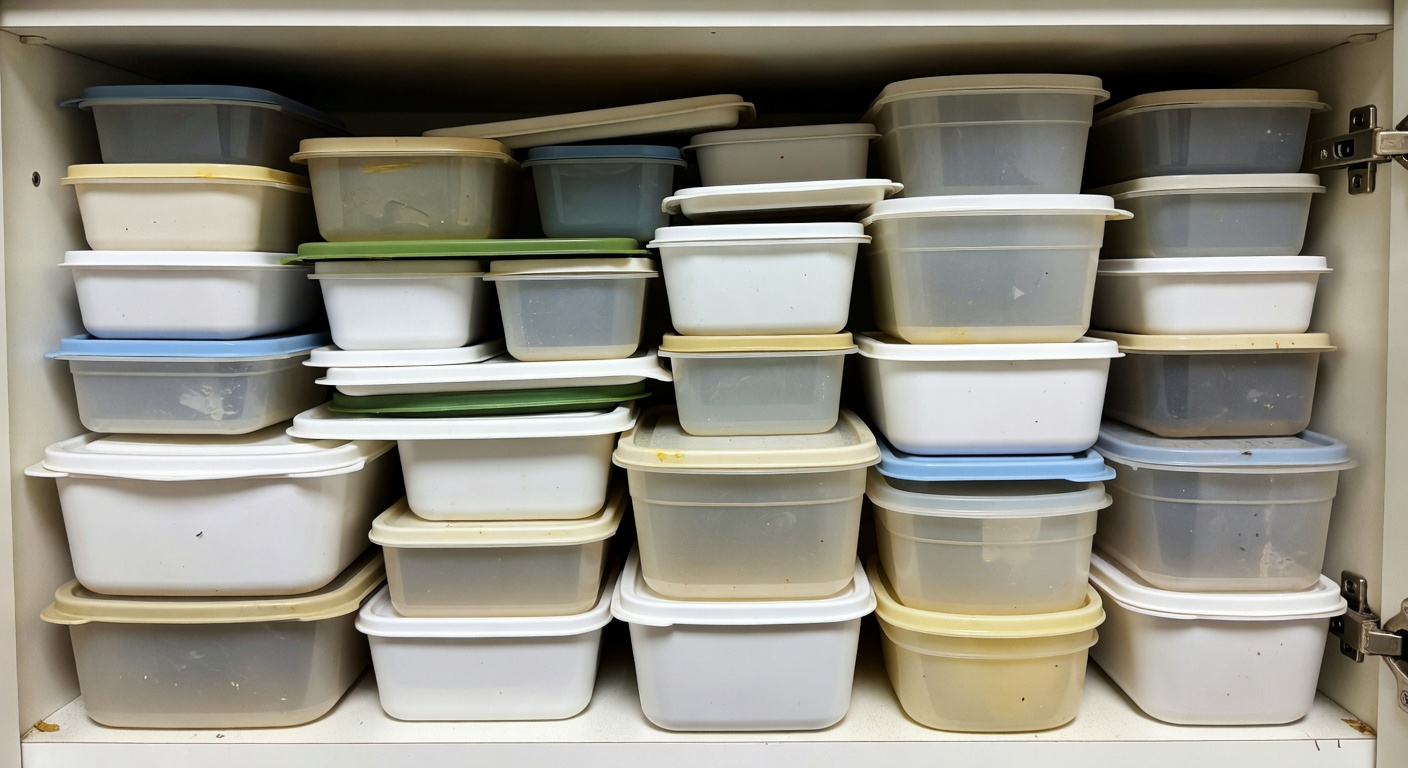
The container looked clean when you put it away. Then you opened the cabinet two days later and got hit with that old-spaghetti smell. Not rotten exactly. Just stale, oily, and faintly suspicious. The kind of smell that makes you sniff the lid three times like the fourth sniff is going to reveal the truth.
Plastic food containers hold onto odors because plastic is not as smooth as it looks. Tomato sauce, curry oil, garlic, onion, and reheated leftovers leave residue in tiny scratches and pores. Hot food makes it worse. Microwave heat makes it worse again. And if the lid goes on before the container is fully dry, moisture gets trapped in the gasket or rim and turns the whole thing into a little humid storage cave. Delicious? No. Scientifically annoying? Very.
This does not mean every plastic container needs to go in the trash. Some are fine for dry snacks, chopped vegetables, sandwiches, and short-term fridge storage. But once plastic starts smelling after a normal wash, you need to stop treating it like a plate and start treating it like a material that absorbed something.
- Orange stain: tomato oil bonded to scratched or heated plastic
- Musty smell: moisture trapped in the lid rim, gasket, or nested container stack
- Garlic/onion smell: sulfur compounds clinging to plastic after storage
- Cloudy surface: dishwasher heat, mineral residue, or fine scratches
- Recurring smell after cleaning: the container is probably past its useful food-storage life
Start With the Lid, Not the Bowl
The bowl gets blamed because that is where the leftovers sat. The lid is often the actual offender. Lids have seams, grooves, silicone gaskets, vent tabs, and little corners that catch water. When people stack containers while they are still damp, those lids sit pressed against plastic with no airflow. That stale cabinet smell usually starts there.
Pull the lid off and smell it separately. Check the rim. If there is a gasket, remove it if the manufacturer designed it to come out. Do not dig at a permanently fixed seal with a knife; that is how you damage the lid and make the leak problem worse. Wash the rim with warm water, dish soap, and a soft brush. An old toothbrush works well because it reaches the groove without gouging the plastic.
Then dry the lid upright. Not mostly dry. Actually dry. If you nest damp lids together, you have basically built a tiny swamp with Tupperware branding.
If the bowl is glass but the lid still smells, treat it as a gasket problem, not a glass problem. The walkthrough on why glass food storage lids get moldy covers those rim channels and removable seals in more detail.
Store containers and lids separately for one week. Let every piece air-dry fully before it goes back in the cabinet. If the smell improves, the problem was trapped moisture more than the container itself.
Why Tomato Sauce Stains So Badly
Tomato sauce is a perfect little villain because it brings acid, pigment, and oil to the party. The red-orange color comes from lycopene, which dissolves better in oil than water. When hot tomato sauce sits in plastic, that oily pigment clings to the container wall. Microwave it, and the plastic softens just enough for the stain to settle deeper.
That is why a stained container can still feel clean. The food residue is gone. The pigment is not. If the container also has knife scratches or dishwasher wear, the stain has more places to hide.
The best move is prevention: do not put hot tomato sauce into plastic. Let food cool first, or use glass for red sauces, chili, curry, and anything oily. If you already have stains, scrub gently with baking soda paste. Do not attack it with steel wool unless you want a container that stains faster next time.
The Cleaning Sequence That Actually Helps
Use this order before giving up on a container:
- Wash with hot water and dish soap.
- Scrub the lid rim and gasket area with a soft brush.
- Make a paste with baking soda and a few drops of water.
- Rub the paste over stained or smelly surfaces and let it sit for 15 minutes.
- Rinse, then air-dry completely with the lid off.
- If odor remains, leave the container open overnight with dry baking soda inside.
Skip the bleach routine for everyday food containers. It can leave its own smell, and if you need bleach to feel comfortable eating from a container, that container has already lost the trust vote.
Sunlight can help lighten tomato stains, but do not leave thin plastic baking in a window for days. UV and heat can make brittle plastic worse. A short sunny afternoon is one thing. Turning the sill into a plastic tanning bed is another.
When Plastic Is Still Fine
Plastic still earns its place for certain jobs. It is light. It stacks well. It is less terrifying in a lunch bag than glass. Use it for:
- dry snacks
- sandwiches
- cut fruit you will eat quickly
- salad greens with a paper towel inside
- pantry odds and ends
- leftovers that are not oily, red, garlicky, or heavily spiced
The flaw: most storage advice treats material choice like a moral decision. It is not. It is a use-case decision. Plastic is fine for pretzels. It is bad at being a long-term home for hot marinara.
If the plastic problem keeps coming back because the food itself disappears in the fridge, a rollout fridge caddy fixes the visibility problem from the other end.
When to Switch to Glass or Silicone
Switch materials when the same container smells after repeated cleaning, has a cloudy scratched interior, or carries tomato stains that never fade. That is not a cleaning failure. That is material fatigue.
Glass makes the most sense for saucy leftovers, reheating, meal prep, and anything you might forget in the fridge for a few days. It does not absorb smells the same way, and it handles tomato sauce without becoming permanently orange. The trade-off is weight and breakability. If your lunch bag gets tossed into a car footwell every morning, glass may be more stress than help.
Silicone bags make sense for snacks, freezer storage, and flexible spaces where rigid containers waste room. They can hold odors too, especially from onion and garlic, but they do not scratch like plastic tubs. They need proper drying time because sealed silicone bags can trap moisture in the corners.
For saucy leftovers and reheating, our guide to glass food storage containers that stop leftover smells explains where glass is worth the cabinet space. If the bowl smells fine but the rim is suspicious, clean the food storage lid gasket before you blame the whole container.
The Cabinet Reset
Pull every container out. Match every lid. Anything without a lid goes. Any lid without a container goes. Anything with a permanent smell after washing goes. Anything warped enough that the lid no longer seals becomes non-food storage or leaves the house.
Then divide what remains by job:
- glass for saucy leftovers and reheating
- plastic for dry/light fridge storage
- silicone for freezer and lunch flexibility
- one small bin or drawer section for lids only
Do not keep 40 containers because one day you might host a leftover festival. Keep the amount your kitchen can store without starting an avalanche every time you open the cabinet.
Your Next Step This Weekend
Pick the three worst offenders and test them. Wash the lids carefully, scrub with baking soda paste, dry them fully, and smell them the next morning. If they still smell weird, stop negotiating with them. Retire them from food duty.
You do not need a perfect matching container system. You need the container you open on Wednesday to smell like nothing. That is the bar. A low bar, somehow still missed by half the cabinet.
Frequently Asked Questions
Why do plastic containers smell after the dishwasher? Dishwasher heat can push oily residue deeper into scratches and lid grooves. If the container was not fully clean before the dry cycle, the heat can bake in the smell instead of removing it.
Is it safe to use stained plastic containers? A stain alone does not always mean the container is unsafe, but deep scratches, warping, recurring odor, or damaged lids are signs it should leave food storage duty.
Does baking soda remove tomato stains from plastic? Baking soda helps with surface stains and odors. It will not fully reverse pigment that has bonded into scratched or heat-worn plastic.
Should I microwave food in plastic containers? Use the manufacturer’s guidance, but for oily sauces, tomato-based food, and curry, glass is usually the cleaner choice. Heat is one reason plastic stains and holds smells.
How do I stop lids from smelling musty? Wash the rim or gasket area, dry lids upright, and do not stack them damp. Most musty lid smells come from trapped moisture, not the food itself.